


Welcome back.
This is the time of year when a lot of leadership teams are working through their plans for next year. Growth targets, budgets, investment priorities, and everything else that needs to happen to make those numbers work.
Those are important conversations. But before getting too far into them, I think there’s another question worth asking:
Are we still approaching strategy in a way that fits the business we have today?
A lot can change in a company over a few years. You might enter new markets, expand your customer base, or build out a leadership team that wasn’t there before. Decisions that once involved two or three people now require coordination across the business.
Sometimes the circumstances around ownership change, too.
That’s particularly relevant in private equity right now.
McKinsey’s 2026 Global Private Equity Report found that 52% of buyout-backed portfolio companies globally had been held for at least four years as of 2025.
For those investors and management teams, longer ownership periods can mean reconsidering where future growth will come from, what investments deserve priority, and how to keep increasing the value of the business.
But you don’t need private equity backing to face those same decisions.
Whether you’re preparing for an eventual sale or simply trying to build a stronger, more valuable company, the underlying questions are similar.
Where should we focus?
What makes us competitive?
Which opportunities are actually worth pursuing?
And as the business changes, the way you answer those questions may need to change with it.
I think that’s worth considering as companies finalize their 2027 plans. Updating the budget and growth targets is one thing. Making sure the strategy behind those numbers still makes sense is another.
It’s also the focus of a webinar I’m hosting later this month. More on that below.
Quick Reader Poll

Does Your Approach to Strategy Fit the Business You Run Today?
Tuesday, November 17 | Noon Central | Live on LinkedIn
Earlier in my career, I was a manager at Bain & Company. Since then, I’ve spent more than 20 years working with mid-market leadership teams on strategy, growth, and major business decisions.
One pattern I’ve seen repeatedly is that a company can outgrow the way it approaches strategy.
That doesn’t necessarily mean the strategy is wrong. It means the process used to develop it may no longer be sufficient for the size and complexity of the business.
During this live session, I’ll share some of what I’ve learned about recognizing those warning signs and improving how leadership teams make strategic decisions.
We’ll work through three questions that every leadership team should be able to answer:
Where will we play? Which markets, customers, and opportunities deserve our focus?
How will we win? What makes us competitive, and why will customers choose us?
What capabilities do we need? What must we build or improve to execute the strategy?
I’ll also share a real-world example of how customer research changed a company’s approach to growth.
Attendees will receive a one-page Strategy Fit Check they can use with their own leadership teams to identify where assumptions may differ.
If you’re working on your company’s 2027 plan, I’d welcome you to join us. Feel free to bring a colleague so you can compare notes afterward.
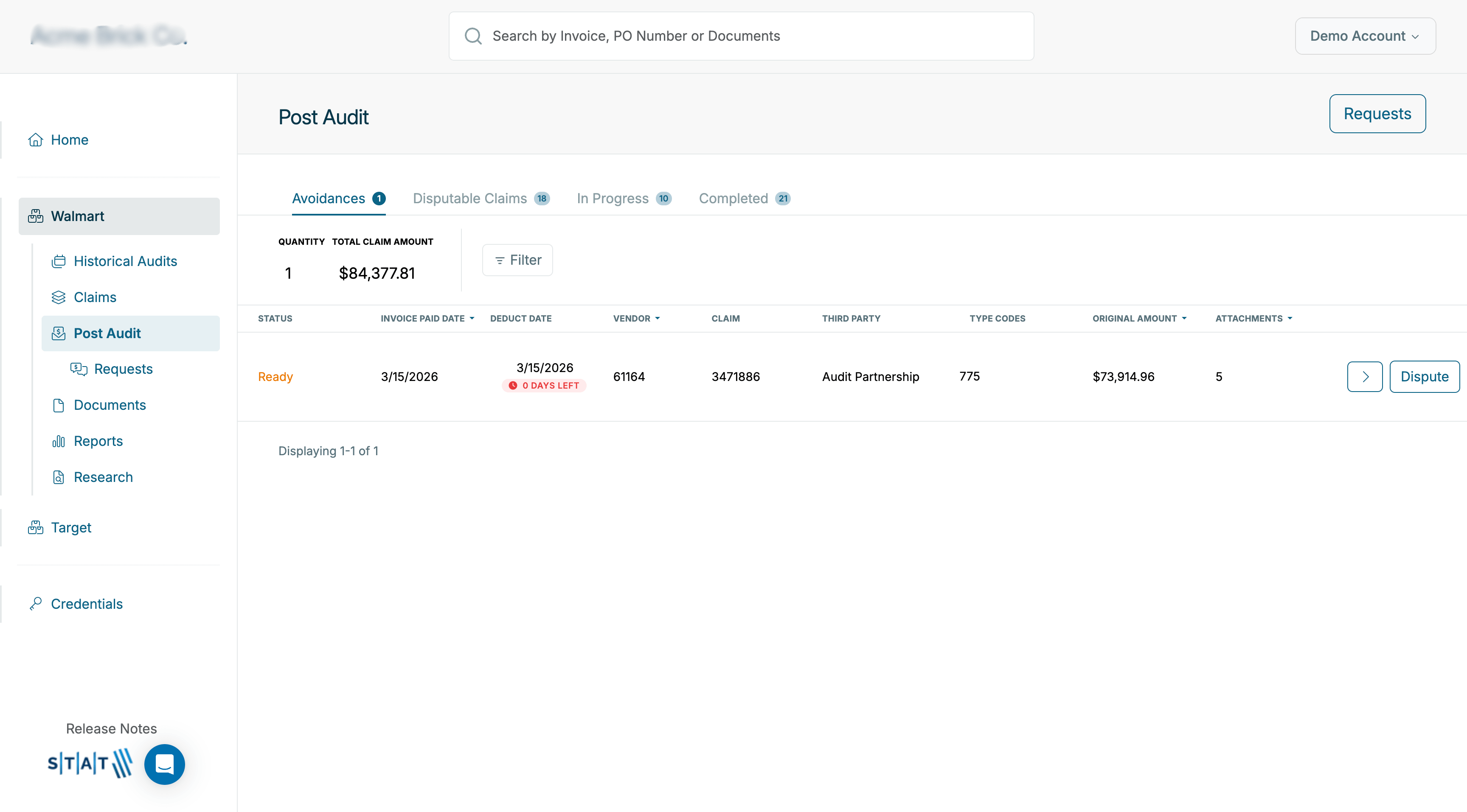
Field Notes: StatRecovery
A good example of why strategic assumptions matter comes from our work with StatRecovery, a private equity-backed software and services business.
StatRecovery had several attractive growth opportunities, but our customer research revealed an important challenge: many prospective customers didn’t believe there was additional revenue available to recover.
That finding changed how we approached the company’s growth strategy.
Our work helped leadership prioritize opportunities, rethink its go-to-market approach, and develop a roadmap for growth.

Maven Research: The AI Value Gap
AI is another area where leadership teams need to distinguish between activity and measurable business value.
Our research paper, The AI Value Gap, examines where companies are seeing meaningful returns from AI and how mid-market leaders can determine which opportunities deserve investment.
The focus is on making better strategic choices, not simply adopting more technology.
How Maven Helps
Maven helps mid-market leadership teams evaluate growth opportunities, improve profitability, and make the strategic decisions that build long-term business value.
If your company has grown or changed significantly and you’re reconsidering how to approach its next stage, I’d be glad to compare notes.
Thanks for reading.
Building a more valuable business takes more than setting ambitious growth targets. It requires making the right strategic choices and having a process that helps the leadership team revisit those choices as the business evolves.
With 2027 planning underway, now is a good time to take another look.
Onward,
Mark Hess
Founder, Maven Associates
Discussion Question
If you were developing your company’s growth strategy from scratch today, what would you do differently?
Share This Issue
If this note brought someone to mind, feel free to share it with them.
For Consultants
Know someone who thrives in mid-market strategy work?
Maven is always interested in connecting with experienced independent consultants, especially former Bain, McKinsey, and BCG consultants interested in focused work with mid-market companies.